What is equine therapy and how can you find a program near you? Read on for information about how equestrian therapy can be beneficial for your child or yourself.
- What is Equine Therapy?
- How Equestrian Therapy Helps Mental Health
- What is Therapeutic Horsemanship?
- How to Find Therapeutic Horseback Riding Near Me
- Horse Therapy for Autism
- Answers to Frequently Asked Questions about Horse Therapy
What is Equine Therapy?
Equine therapy, or Equine Assisted Therapy (EAP), is used for mental health treatment or for treating disabilities. With this type of treatment, mental health professionals use therapy horses to help people process and regulate emotion or recover from trauma.
Equine assisted therapy creates changes in our brains due to the brain-body connection that increase our experience of life. A horse trainer or equine specialist is present to assist as part of the therapy process.
Horse therapy might involve:
- brushing horses
- feeding them
- leading the horse around a corral
Although we normally think of dogs and cats as soothing and comforting, horses can also be calming and can help with emotional regulation. Learning to take care of the horses helps people focus on giving and loving, especially for kids who have been through some kind of trauma and find it difficult to trust and care for themselves and other human beings.
How Equestrian Therapy Helps Mental Health
The connection between humans and horses goes back centuries and is profound. Since horses are prey animals, they are naturally present because they need to be aware of what is going on in their environment to survive. They have to watch out for threats.
Horses are sensitive and intuitive, and being with them can help us to become more present, sensitive, and intuitive also.
Today we hear a lot about being in the moment or being present. This is important in mental health therapy because presence facilitates the awareness of what we are thinking and feeling, which is crucial to healing.
What are the Goals of Equine Therapy?
There are three chief goals of EAT in which are key when helping kids or adults to recover from trauma and other mental health issues.
- Emotional Regulation – As mentioned earlier, being around horses can help patients understand their thinking and emotions, and to respond to ongoing life events and experiences in a socially appropriate way.
- Responsibility – Feeding, grooming, exercising, and cleaning up after horses teaches children and adults who suffer from mental health issues responsibility and consequences for not being responsible.
- Self-confidence – Equine Assisted Therapy can help people to feel a sense of connection, belonging, and accomplishment which all help improve self-esteem and self-confidence. Caring for the horses needs will hopefully transfer over to self-care.
Horses were the key in empowering Native Americans spiritually, emotionally, and physically, and this is the goal of equine therapy. Working with horses helps people – young and old – to learn leadership skills, gain confidence, and heal trauma or whatever is holding them back from experiencing a better quality of life.
What Conditions Does Equine Therapy Treat?
Equine therapy can be healing for all kinds of mental health issues, but is very commonly used for treating:
- anxiety
- depression
- PTSD
- trauma
- behavioral issues
- physical and intellectual disabilities
What Are the Main Aspects of Equine Assisted Therapy?
Equine Therapy can help to reduce a troubled child’s agitation, irritability, and impulsivity. It is also helpful for adults in the same way, and very effective with addiction issues.
Here are the top 3 most important aspects of equine therapy:
- Experiencing the outdoors in a beautiful setting can be therapeutic.
- Working as a team to control a one-ton animal.
- Developing a relationship with the horse.
How Can Being Outside Help Assist the Therapy Process?
The great outdoors is calming and grounding and help us to put our focus on something else besides what is going on in our heads. Being outside in a beautiful environment helps us to let go of our problems for a little while.
Most horse ranches where Equine Therapy is conducted reside in a stunning setting. The combination of an amazing outdoor setting, and horses, makes Equine Therapy a perfect addition to the therapy process.
How Can Working as a Team with the Horses Help in the Therapeutic Process?
Learning to attend to and control a one-ton horse enables patients to identify emotions that they sometimes find difficult to define and express when they are sitting down in a therapists office.
Anytime we are in the present moment it is easier for us to notice what is going on inside, and as mentioned above, therapy horses help us to get present and become more self-aware.
How Can Developing a Relationship with Horses Benefit Mental Health?
This is pretty plain and simple, building a relationship with horses teaches empathy, caring, compassion, love, affection and much more.
What is Therapeutic Horsemanship?
Therapeutic Horsemanship is a type of equine therapy that is healing in the same way as other types of equine therapy, although it has a different focus.
Therapeutic horsemanship involves:
- horseback riding
- vaulting
- carriage driving
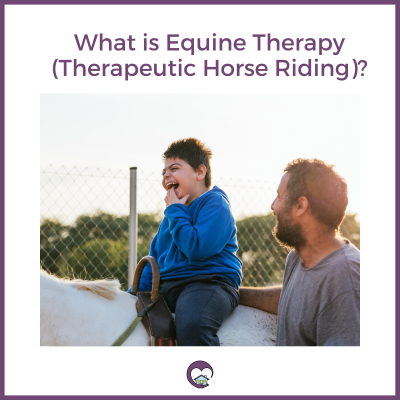
Patients with physical disabilities often show improvement in strength, flexibility, and balance by experiencing the movement of the horse which is similar to the human gait. Therapeutic Horsemanship contributes to the behavioral, cognitive, emotional and overall social well-being of people with physical and emotional disabilities.
How to Find Therapeutic Horseback Riding Near Me
There are many options for therapeutic horseback riding and other forms of equine therapy all over the United States and Canada.
Here is a listing of Therapeutic Horseback Riding listed by state, to find a program near you if you live in the United States or Canada.
Horse Therapy for Autism
Can Equine Assisted Therapy help with Autism? Absolutely. The interaction between people with autism and horses is therapeutic and helps with communications skills, emotional and social development, and sensory integration.
Hippotherapy is usually the type of equine therapy used with autistic children and adults.
Hippotherapy is the use of occupational therapists, physical therapists and speech-language pathologists in the manipulation of equine movement as a therapy tool to engage neuromotor, sensory and cognitive systems to promote improvement.
Have you used equine therapy for yourself or a child? Share about your experiences in the comments below.
Answers to Frequently Asked Questions about Horse Therapy
Click here for a free PDF printable checklist of the 7 steps to take when your child needs residential treatment.





Leave a Reply